
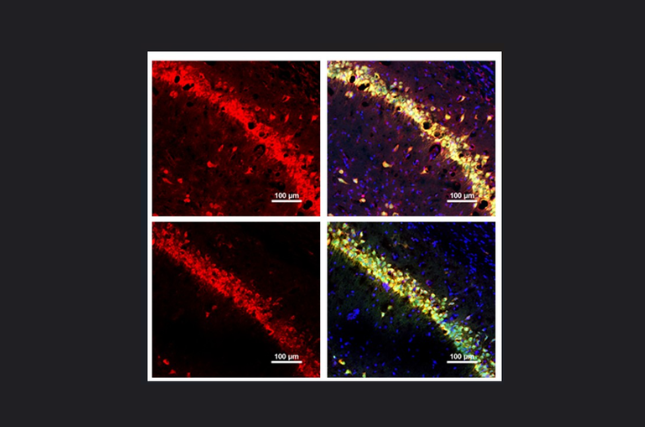
February 6, 2026 – An experimental peptide developed by researchers at the Hebrew University of Jerusalem (HU) may reduce recurring seizures and support brain function by targeting underlying oxidative stress and inflammation processes linked to epilepsy.
Unlike current treatments that focus mainly on suppressing seizures, this approach could influence how the disease develops over time, with the greatest benefits appearing when treatment begins early. The study published in Redox Biology suggests an alternative epilepsy treatment by calming harmful chemical and immune “stress signals” in the brain that may help seizures keep returning and may contribute to longer-term damage.
Epilepsy is one of the most common neurological disorders in the world. According to the World Health Organization, around 50 million people live with epilepsy, a condition marked by recurring seizures that can also affect mood, memory, and day-to-day thinking. While many medications can reduce seizures, up to 40% of patients don’t respond well enough, and current treatments don’t stop the condition from worsening over time.
The research, led by Ph.D. students Prince Kumar Singh and Shweta Maurya under the guidance of Prof. Tawfeeq Shekh-Ahmad of the HU School of Pharmacy, Faculty of Medicine, in collaboration with Prof. Daphne Atlas of the Alexander Silberman Institute for Life Sciences, points to a promising direction for future therapies aimed at improving long-term outcomes for people living with epilepsy.
The study focused on the experimental compound TXM-CB3, a member of a family of low-molecular-weight thioredoxin-mimetic peptides designed by Daphne Atlas, who showed its protective effects against cognitive impairment induced by mild traumatic brain injury and in attenuation of allergic airway disease. This tiny tripeptide is designed to imitate the activity of a natural protective protein in the body known as thioredoxin.
Thioredoxin is part of the body’s built-in defense system: it helps cells cope with chemical strain and helps regulate inflammation. Both processes are increasingly believed to play a key role in epilepsy, not only in triggering seizures, but in shaping how the condition develops and becomes harder to treat.
“Most epilepsy treatments focus on reducing seizures, but our goal was to see whether we could affect the underlying processes that may drive the disease forward,” said Prof. Shekh-Ahmad.
In early experiments using nerve-cell models that produce seizure-like activity, TXM-CB3 reduced signs of damaging chemical strain and shifted the balance of immune signals away from an aggressive, inflammatory pattern and toward a more protective one.
The researchers then tested the treatment in preclinical models designed to mirror severe, recurring seizures in drug-resistant epilepsy. They examined two treatment windows that matter clinically:
- Early treatment: soon after a major seizure event:
When TXM-CB3 was given early, seizures began later and happened less often. The overall seizure “load” was lower, and brain regions important for memory were better preserved. The treatment was also linked with improvements in behavior, including lower anxiety-like behavior and better performance on a short-term memory task. - Later treatment: after recurring seizures were already established:
Even when treatment started later, TXM-CB3 continued to reduce seizure activity over time. However, thinking and memory problems that had already developed did not substantially improve. This result highlights the potential value of early intervention.
“The fact that we saw both reduced seizure activity and signs of brain protection in these experimental models strengthens the case for developing treatments that build on the body’s own protective pathways,” said Prof. Atlas.
The researchers emphasize that the findings come from experimental models, and further studies are needed to assess safety, dosing, and effectiveness in humans. Still, the results offer a promising direction toward therapies that could one day improve not only seizure control, but long-term quality of life for people living with epilepsy.
The research paper titled “Thioredoxin-mimetic peptide attenuates epilepsy progression and neurocognitive deficits” is now available in Redox Biology and can be accessed here.
Researchers:
Prince Kumar Singh1, Shweta Maurya1, Aseel Saadi1, Sereen Sandouka1, Taige Zhang1, Orya Kadosh1, Yara Sheeni1, Valeria Martin2, Daphne Atlas2, Tawfeeq Shekh-Ahmad1
Institutions:
- The Institute for Drug Research, The School of Pharmacy, Faculty of Medicine, The Hebrew University of Jerusalem
- The Alexander Silberman Institute of Life Science, The Hebrew University of Jerusalem