February 17, 2026 – A new study from the Koret School of Veterinary Medicine at the Hebrew University of Jerusalem (HU) has found a clear link between a dog’s body weight and the pressure inside their eyes.
While many owners are aware that excess body weight can contribute to systemic conditions such as insulin resistance, diabetes mellitus, chronic low-grade inflammation, and orthopaedic disease, this research suggests that obesity may also be an important risk factor for serious ocular conditions.
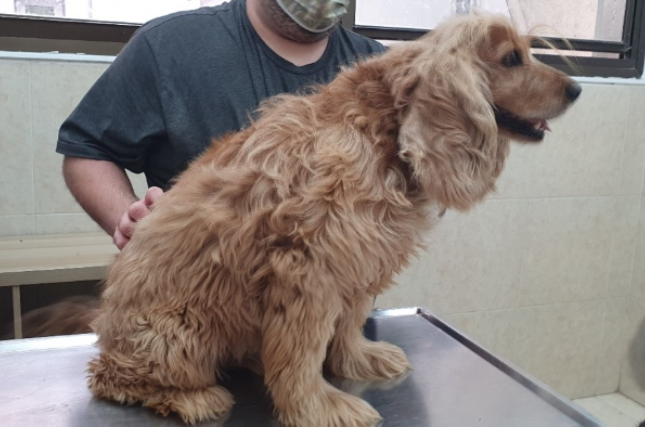
The study, published in the Journal of Veterinary Internal Medicine, looked at 40 healthy dogs, ranging from lean to obese. Researchers measured the dogs’ body fat using several methods, including a nine-point body condition score and a canine version of the body mass index.
“Higher body condition in normal dogs is significantly associated with higher intraocular pressure,” says Hebrew University researcher Dr. Oren Pe’er. “Obesity might be a modifiable risk factor in dogs predisposed to glaucoma.”
In the study, overweight dogs had higher levels of triglycerides and leptin, which is a hormone related to body fat. Both of these were linked to higher eye pressure in the initial findings. While the eye pressure in both groups of dogs was still within the normal range of 10 to 25 mmHg, the difference of 6.6 mmHg between the lean and overweight dogs is notable. For breeds already at risk for glaucoma, this extra pressure could be a relevant factor in their long-term eye health.
The results showed a significant difference in eye health based on weight:
- Higher Pressure: Overweight and obese dogs had a much higher typical eye pressure of 20.3 points, while lean dogs were much lower at 13.7 points. While both groups were within a safe range, the heavier dogs were much closer to the upper limit (25 points), where health problems typically start.
- A Steady Rise: For every one-point increase on the nine-point body condition scale, the pressure inside the eye rose nearly two points. As a dog moves from a healthy weight toward being overweight, their eyes are put under increasing strain.
- For every 10% increase in a dog’s body mass index, their eye pressure increased by almost three points. Since eye pressure is measured on a very small scale, a jump this size is a significant shift that highlights how directly a dog’s body condition can affect their ocular health.
Scientists believe several factors might be at play. Physical changes like fat accumulation around the eye or increased venous pressure might make it harder for fluid to drain. Additionally, metabolic changes caused by obesity, such as higher levels of certain fats and hormones in the blood, could influence eye pressure.
Maintaining a healthy body condition plays an important role in preserving normal ocular physiology and reducing the risk of eye disease, particularly in breeds that are already predisposed to ocular problems.
The research paper titled “Relationship between body adiposity, metabolic status, and intraocular pressure in dogs” is now available in Journal of Veterinary Internal Medicine and can be accessed here.
Researchers:
Oren Pe’er, Michal Mazaki-Tovi, Lionel Sebbag, Ron Ofri
Institutions:
Koret School of Veterinary Medicine, The Hebrew University of Jerusalem, Rehovot, Israel