
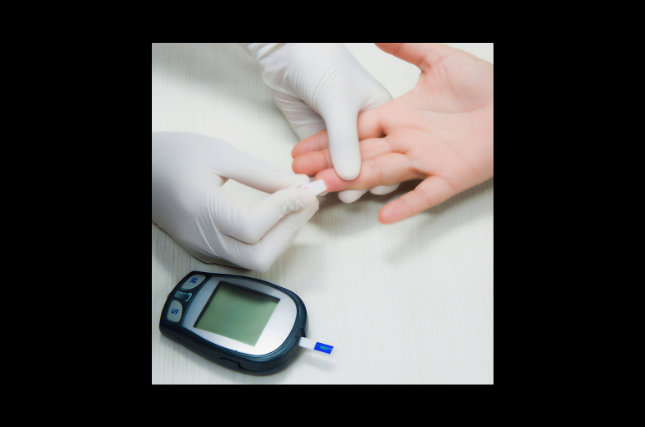
February 9, 2026 – Linking medication discounts to measurable health outcomes could be a key to better diabetes management, according to a new study by researchers at the Hebrew University of Jerusalem (HU).
Published in Annals of Family Medicine, the study explores whether offering conditional financial incentives to socioeconomically disadvantaged patients can improve blood sugar control. The results indicate that relieving the financial burden of treatment, when linked to health improvements, yields clinical benefits comparable to prescribing additional pharmaceutical drugs.
Prof. Amnon Lahad, lead researcher at the HU Faculty of Medicine and Clalit Health Services, says, “This study illustrates the connection between quality medicine and social justice. At Clalit Jerusalem District, we work every day to reduce health disparities, and these data show that smart incentives can be part of the solution—not instead of medical treatment, but as a complement that strengthens it.”
Managing Type 2 diabetes is a demanding daily task involving diet, exercise, and often a complex regimen of medications. For patients facing financial hardship, the cost of these life-saving drugs can become a barrier to health, leading many to skip doses or delay refills. Despite the availability of effective treatments, approximately 27% of diabetes patients in the study do not reach their glycemic control goals. This gap is widest in lower socioeconomic strata, where one-fifth of patients report forgoing medication due to high costs.
To address this disparity, the researchers conducted a randomized controlled trial involving 186 patients with uncontrolled Type 2 diabetes living in lower-income neighborhoods. Participants were divided into two groups: a control group that paid the standard medication copayment and an intervention group that received a unique incentive.
Patients in the intervention group received vouchers to cover the medication costs (approximately $156), conditional on demonstrating improvement in their HbA1c levels. The control group continued with the usual payment structure without an incentive.
After six months, patients eligible for the financial incentives saw their HbA1c levels drop by an average of 1.4%, compared to a 0.7% drop in the control group.
While a 0.7% difference between groups might sound small, in diabetes management, it is clinically substantial. The study’s authors note that this reduction aligns closely with the effect of pharmacologic therapies, such as adding a new class of medication to a patient’s regimen.
Importantly, the researchers emphasize that the improvement was not due to more intensive drug treatment or the use of more expensive medications, but rather to better patient adherence, persistence, and long-term ability to manage the disease.
A Simple Solution for Complex Problems
The study highlights that financial incentives do not need to be massive to be effective, provided they are meaningful and directly connected to patients’ healthcare needs. The vouchers were designed to cover the cost of one or two medications per month, making the benefit tangible and achievable.
The researchers suggest this approach works by framing healthy behavior as less burdensome and costly, offering immediate reinforcement rather than only the distant promise of better health in the future.
The research team emphasizes that while financial incentives are a powerful tool, they should be viewed as complementary to optimal medical care rather than a stand-alone measure. For health providers looking to close persistent gaps in health disparities, this model offers a practical path forward.
Dr. Ayelet Prigozin-Mozenzon, a doctoral student involved in the study, says, “Equality also means equality of opportunity. The study showed that when an incentive is adapted to a patient’s real need, it functions as more than just a financial boost—it can lead to better and more significant results.”
The research paper titled “Incentives and Equity: A Randomized Controlled Trial to Improve Glycemic Control in Socioeconomically Disadvantaged Patients With Diabetes” is now available in Annals of Family Medicine and can be accessed here.
Researchers:
Ayelet Prigozin1,2, Matan J. Cohen3, Ofri Mosenzon4,5, Hila Mendelovich3, Ahlam Natsheh3, Amir Shmueli6, Anat Tsur7, Amnon Lahad3,8
Institutions:
- Meuhedet Health Services, Jerusalem district, affiliated with the Hebrew University Faculty of Medicine, Jerusalem, Israel
- Braun School of Public Health, Hebrew University, Jerusalem, Israel
- Clalit Health Services, Jerusalem district, affiliated with the Hebrew University Faculty of Medicine, Jerusalem, Israel
- Faculty of Medicine, Hebrew University, Jerusalem, Israel
- Regeneron Pharmaceuticals, Tarrytown, New York
- Department of Health Management and Economics, Braun School of Public Health, The Hebrew University Israel
- Department of Endocrinology and Metabolism, Clalit Health Services, Jerusalem district, affiliated with the Hebrew University Faculty of Medicine, Jerusalem, Israel
- Department of Family Medicine at the Hebrew University, Jerusalem, Israel