March 9, 2026 – Non-psychoactive cannabis compounds, Cannabidiol (CBD) and Cannabigerol (CBG), could help treat fatty liver disease, according to researchers from the Hebrew University of Jerusalem (HU).
According to a study published in the British Journal of Pharmacology, the compounds can improve liver health by changing how the organ manages energy and cleans itself. Fatty liver disease, known as Metabolic dysfunction-associated steatotic liver disease (MASLD), is the most common chronic liver disorder in the world. It affects approximately one-third of the adult population and is closely linked to obesity, high blood pressure, and insulin resistance. While lifestyle changes like diet and exercise are important, they can be hard to maintain, and there are very few approved medicines available for this condition. This makes the search for new treatments a high priority for scientists.
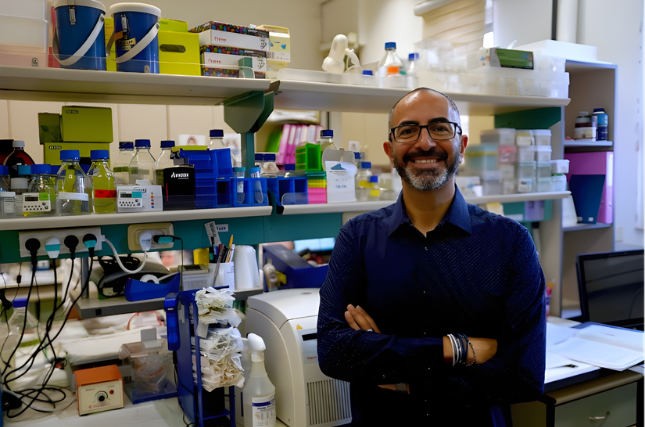
In the study led by Prof. Joseph (Yossi) Tam, Dr. Liad Hinden, Ph.D. student Radka Kočvarová, and the team at the HU School of Pharmacy in the Faculty of Medicine, the researchers used advanced tools to show that CBD and CBG reduce fat and actually help the liver function better internally through a unique process of “metabolic remodeling.”
“Our findings identify a new mechanism by which CBD and CBG enhance hepatic energy and lysosomal function,” says Prof. Tam. “This dual metabolic remodeling contributes to improved liver lipid handling and highlights these compounds as promising therapeutic agents for MASLD.”
One of the most important findings was the impact on the liver’s energy reserves. These compounds increase phosphocreatine levels, which act like a backup battery to help the liver stay healthy under the stress caused by a high-fat diet. This is a new discovery, as the liver does not usually rely heavily on this specific energy system.
Additionally, the study showed that CBD and CBG restore the activity of cathepsins. These are enzymes that act like a cleaning crew within the cell’s recycling centers, known as lysosomes. By getting this cleaning crew back to work, the liver is better able to break down and clear out harmful fats and waste. The researchers also found that both treatments significantly reduced harmful lipids, such as triglycerides and ceramides. Ceramides are particularly dangerous because they are known to contribute to insulin resistance and liver inflammation.
The study observed that while both compounds were effective, they each provided slightly different benefits for metabolic health. Both CBD and CBG were able to normalize blood sugar levels and improve how the body clears glucose. However, CBG appeared to have a more pronounced effect on certain metrics. It significantly reduced body fat mass and improved insulin sensitivity more robustly than CBD. CBG was also particularly effective at lowering total cholesterol and “bad” LDL cholesterol levels.
While these results are very encouraging, the team notes that more research is needed to understand how these findings can best be applied to human patients. This study opens a new path for using plant-based compounds to treat metabolic diseases by focusing on how cells manage energy and waste.
The research paper titled “Cannabidiol and Cannabigerol Ameliorate Steatotic Liver Disease via Phosphocreatine Buffering and Lysosomal Restoration” is now available in the British Journal of Pharmacology and can be accessed here.
Researchers:
Radka Kočvarová1, Shahar Azar1, Bella Agranovich2, Ifat Abramovich2, Saveliy Kirillov3, Alina Nemirovski1, Saja Baraghithy1, Inbar Plaschkes4, Emmanuelle Merquiol5, Alexander Rouvinski3, Galia Blum5, Liad Hinden1, Joseph Tam1
Institutions:
- Obesity and Metabolism Laboratory, The Institute for Drug Research, School of Pharmacy, Faculty of Medicine, The Hebrew University of Jerusalem, Jerusalem, Israel.
- Laura and Isaac Perlmutter Metabolomics Center, B. Rappaport Faculty of Medicine, Technion-Israel Institute of Technology, Haifa, Israel.
- Department of Microbiology and Molecular Genetics, Institute for Medical Research Israel-Canada, The Hebrew University of Jerusalem, Jerusalem, Israel.
- Info-CORE, Bioinformatics Unit of the I-CORE, The Hebrew University of Jerusalem, Jerusalem, Israel.
- Protease Research laboratory, The Institute for Drug Research, School of Pharmacy, Faculty of Medicine, The Hebrew University, Jerusalem, Israel.